
Our Projects
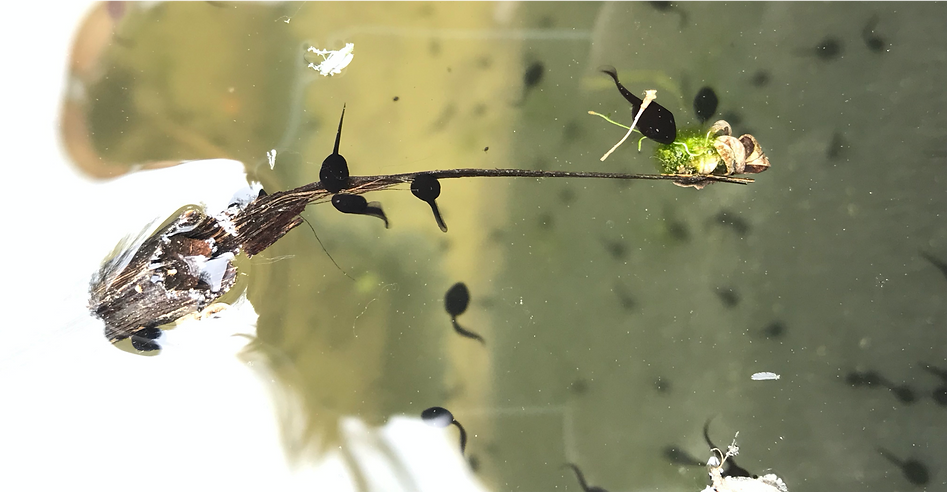
Ponds and wetlands are crucial components of ecosystems that host a high amount of regional biodiversity, even in relatively small habitats. Amphibians use ponds and wetlands to breed, and in turn anuran tadpoles alter the ecosystems within ponds and wetlands. Tadpoles act as ecosystem engineers in their aquatic environments, and may increase habitat heterogeneity across a wetland, further promoting biodiversity. Despite these crucial relationships, relatively little is known about the ecology of amphibians in ponds and wetlands in their larval stage. Additionally, in certain areas, it is not known where or if amphibians are breeding, impacting how the environment is managed. With our projects, we assess the presence of breeding amphibians in urban and rural habitats, as well as increase our understanding how amphibian larvae behave within their habitats.
The results of our projects increase our understanding of wetland ecology and allow us to predict the potential consequences of amphibian loss on these ecosystems, help the surrounding community by maintaining healthy habitats, and help management groups for these protected areas by advising them on the health of the amphibian populations in their wetlands.
Rural
We're assessing amphibian populations and wetland health in a rural environment at Creek 53, a nature reserve with restricted access. We're working to identify what frogs and toads are present, where they are breeding, and how suitable the wetlands are for the continued survival of amphibians in this area.


Urban
We're assessing amphibian populations and wetland health in an urban habitat on Mont Royal. Mont Royal is home to a series of 10 small, urban wetlands, and the Friends of the Mountain are in the process of restoring one of the wetlands. We're helping to determine if frogs and toads use these wetlands to breed, the health of these wetlands for amphibians, and what barriers there are to amphibians in this area
Specimen Based
We're assessing how tadpoles behave within wetlands by examining their gut contents using specimens housed in the Redpath Museum. This will better our understanding of how tadpoles influence the ecosystems around them, how common the ingestion of sediment is, and characterize what non-food items are ingested by tadpoles


And more!
We have a variety of projects that don't include field or lab work, such as literature reviews and data analysis. We are also open to, and looking for, additional projects for students. Stay tuned for more!